Breast Cancer Signs and Symptoms

Knowing what’s normal for your breasts helps you spot breast cancer symptoms sooner. If you notice any changes or other symptoms of breast cancer, book a GP appointment straight away.

This page offers breast checking advice in English. Advice in Urdu is also available on our YouTube channel.

resources

Understanding Breast Cancer Symptoms

The more you know your own body, the sooner you’ll spot when something’s not quite right. That’s why regular breast checks are so important – because finding breast cancer early gives you the best chance of successful treatment.

Many changes turn out to be harmless, but it’s always worth getting anything unusual checked by your GP. This guide will walk you through early breast cancer symptoms, signs that aren’t lumps, and when to seek medical advice.

This page focuses on the female anatomy, but men can also get breast cancer. We provide information on breast cancer symptoms in men and guidance on transgender chest awareness.

What are the Signs of Breast Cancer?

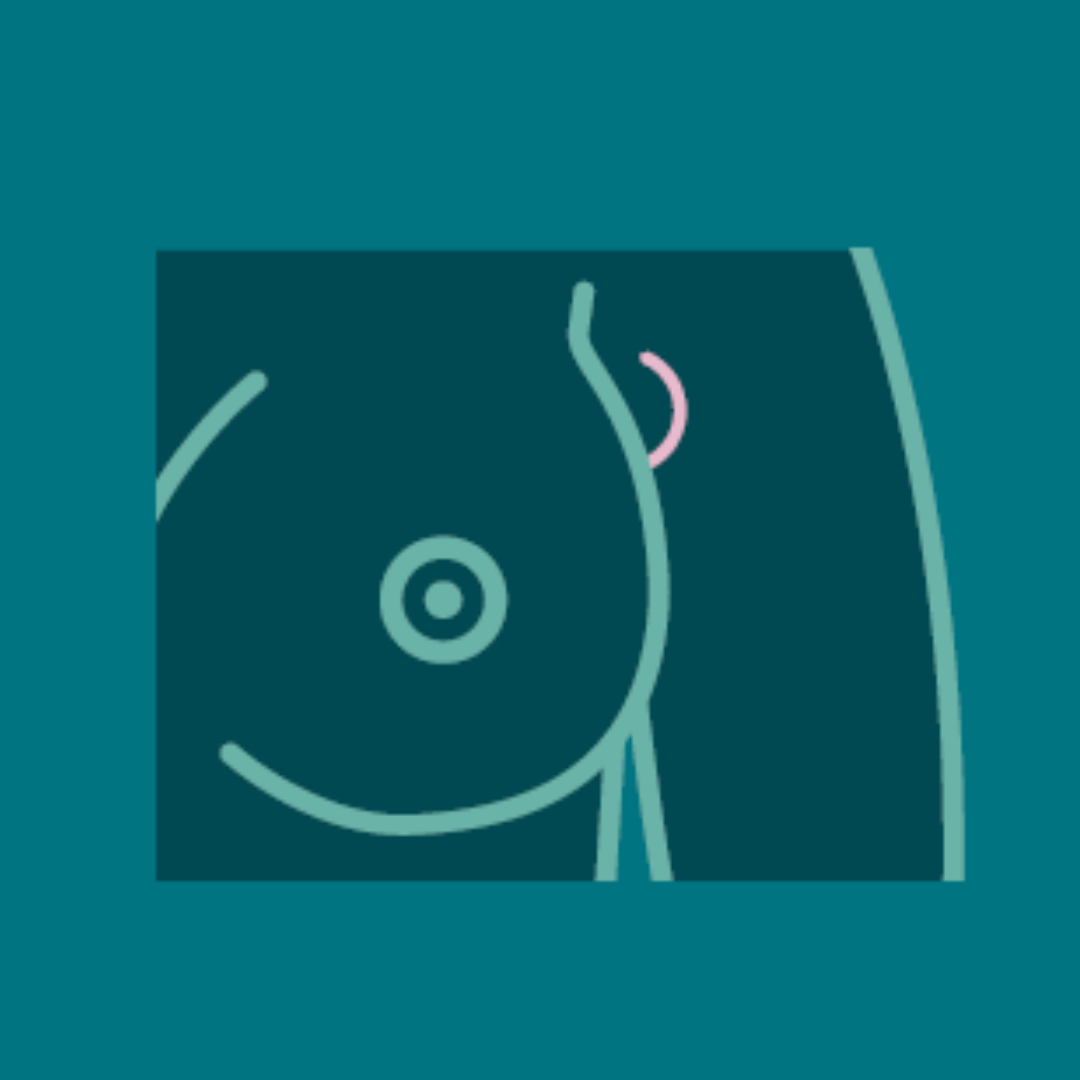
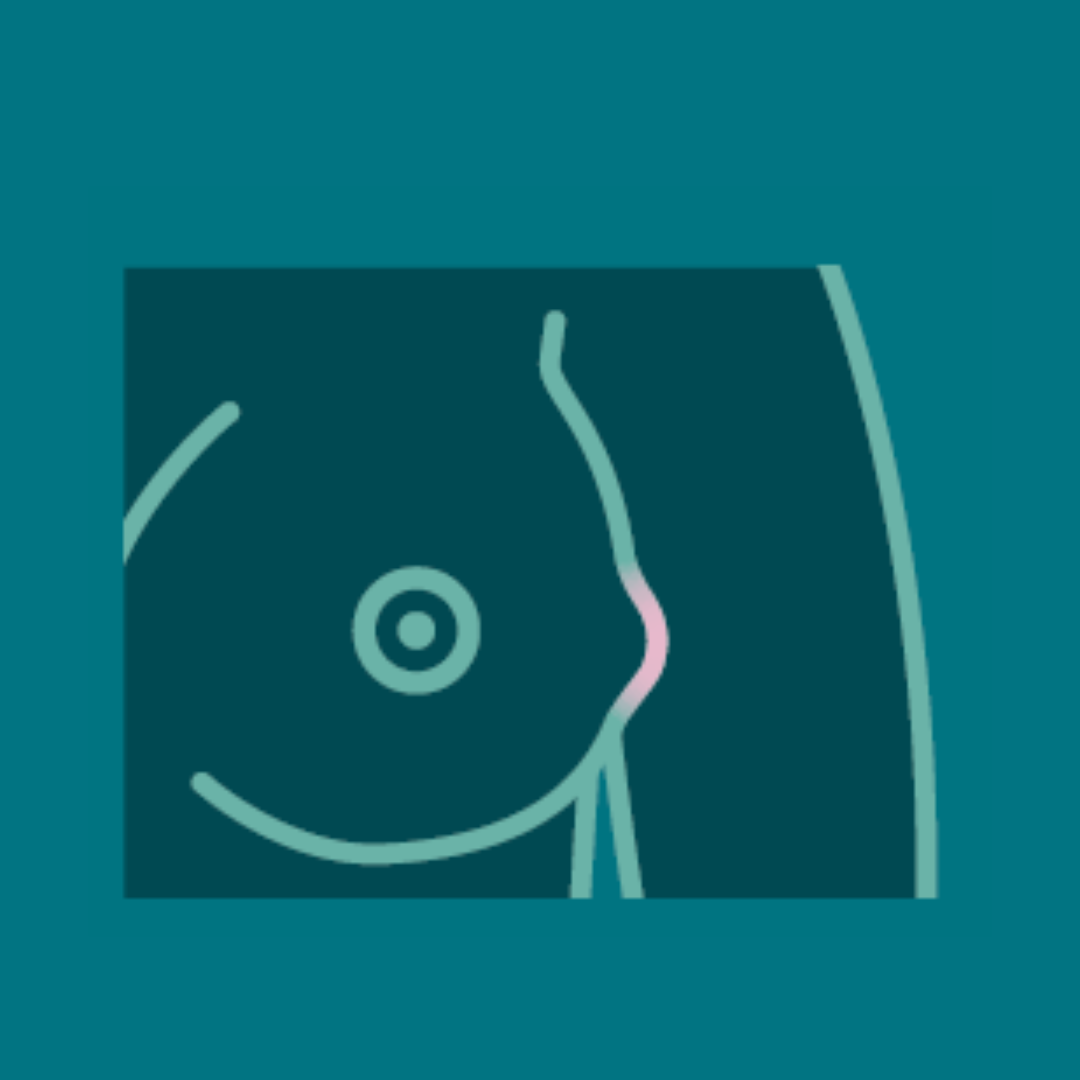
There are several breast cancer symptoms and signs, but for many women it will appear as a lump or thickening in the breast tissue. This may be found in the breast itself, upper chest or armpit. Looking at yourself in the mirror may help to check whether you can see any of the following signs and symptoms.
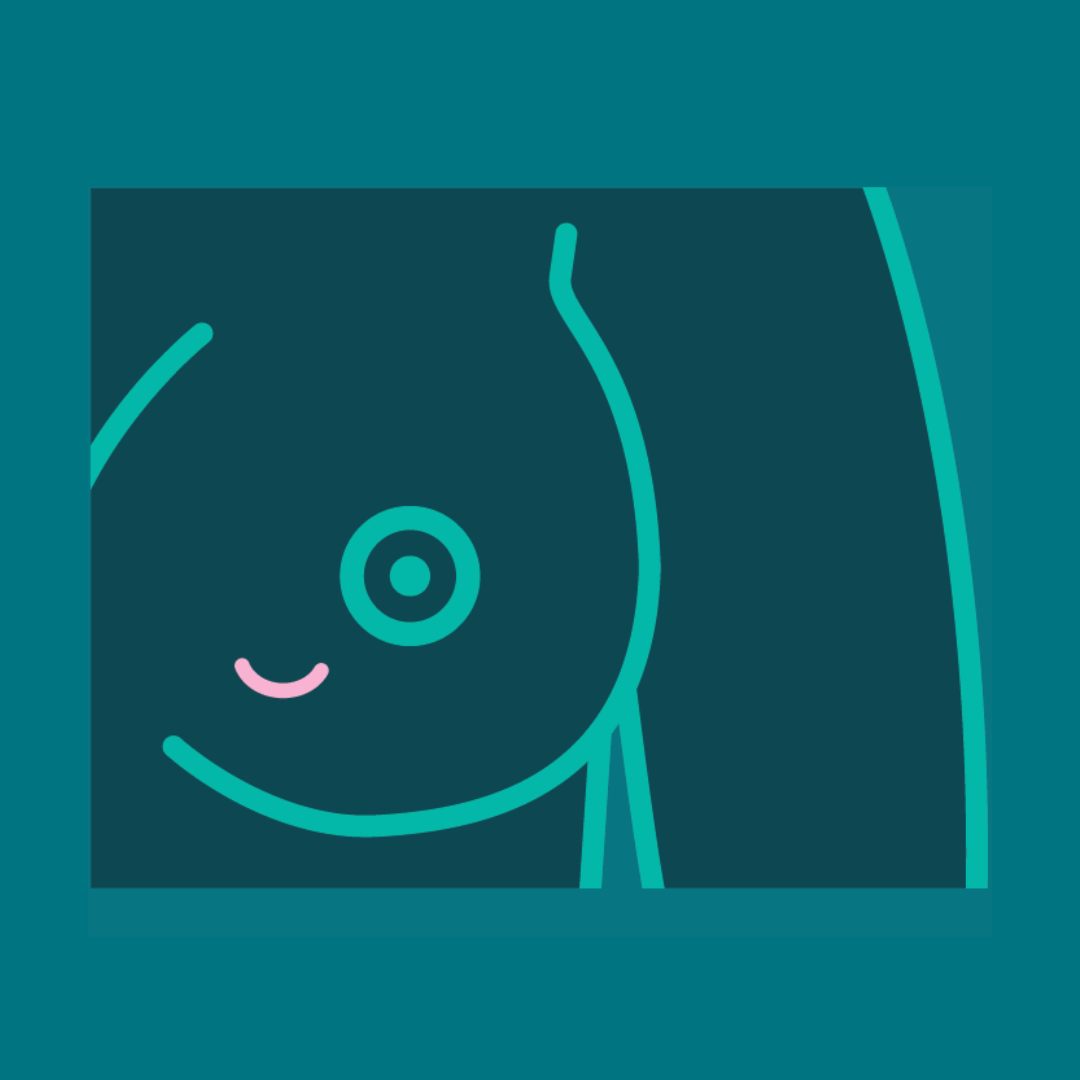
A lump in
the breast

check yourself

Swelling of all or
part of breast

Swelling of all or part of breast

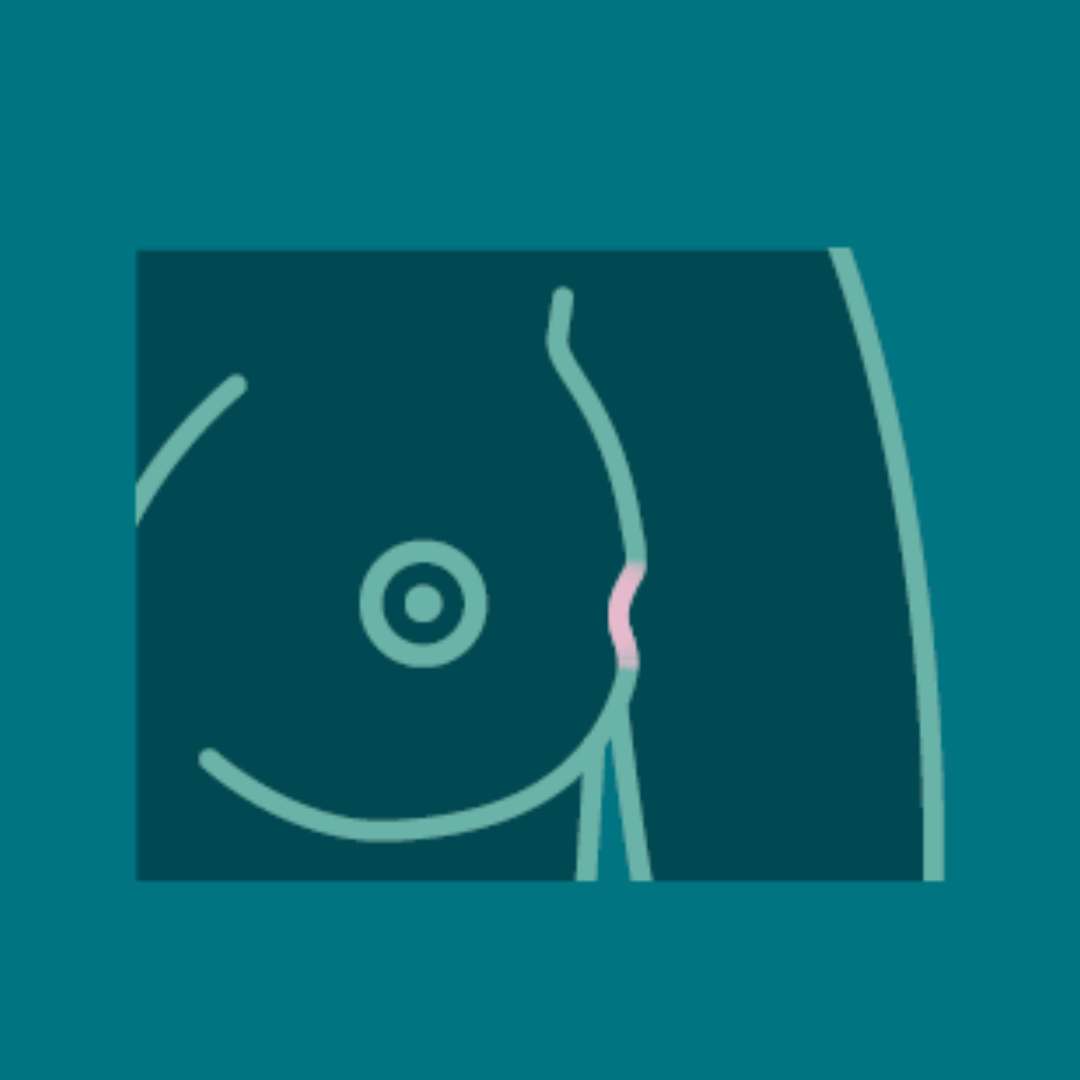
Dimpled or
depressed skin

Dimpled or depressed skin

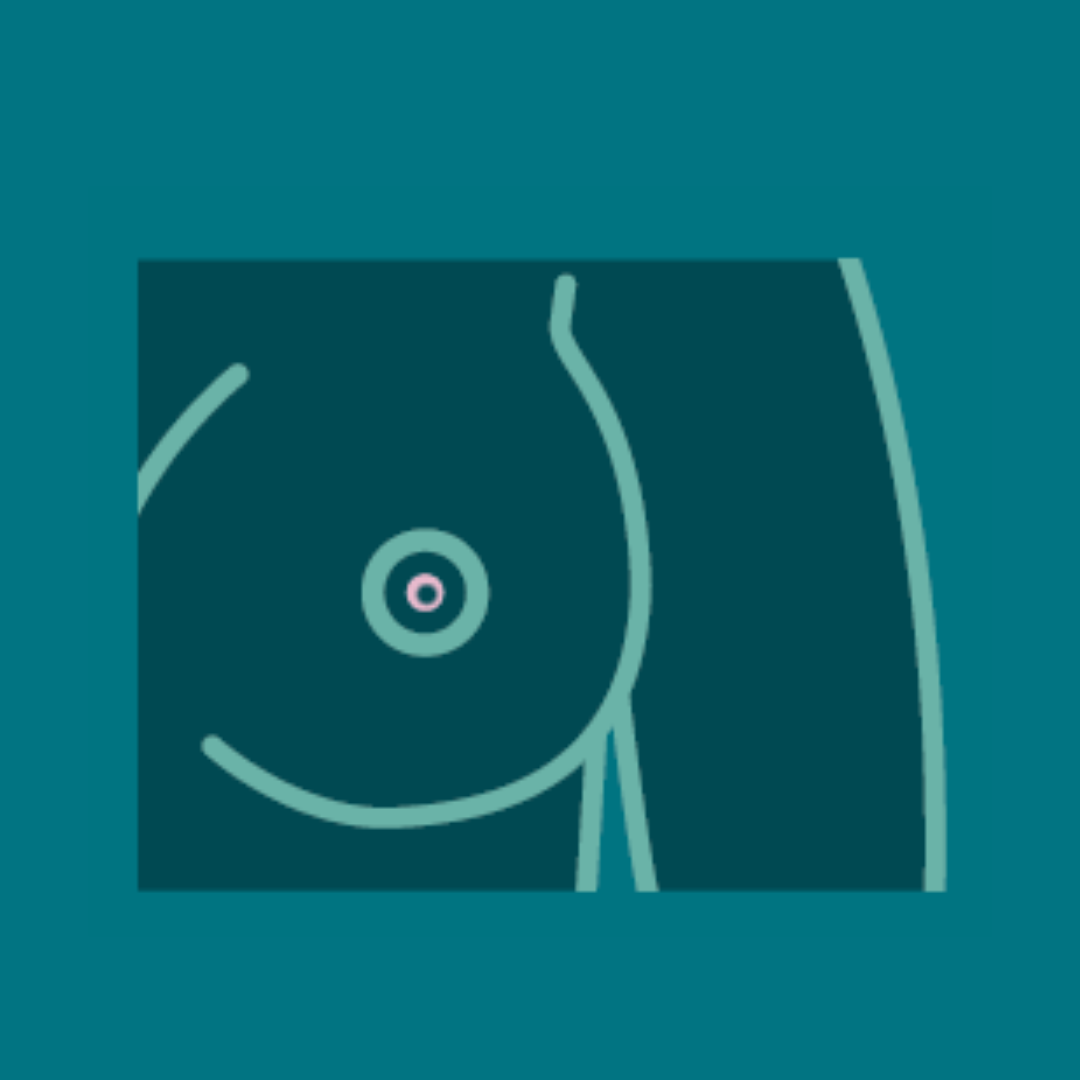
Nipple changes
inversion

Nipple changes inversion

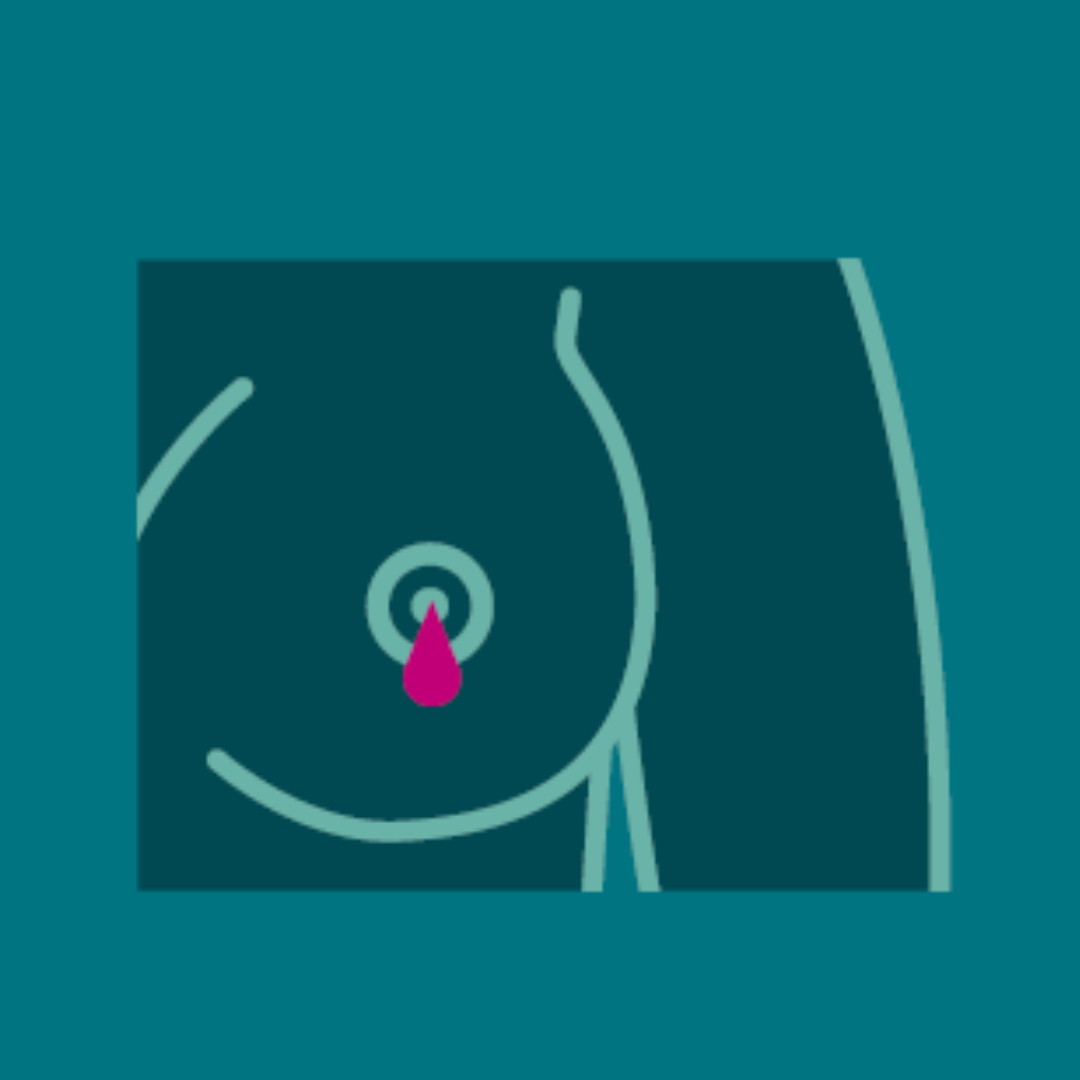
Bloody
discharge

Bloody discharge

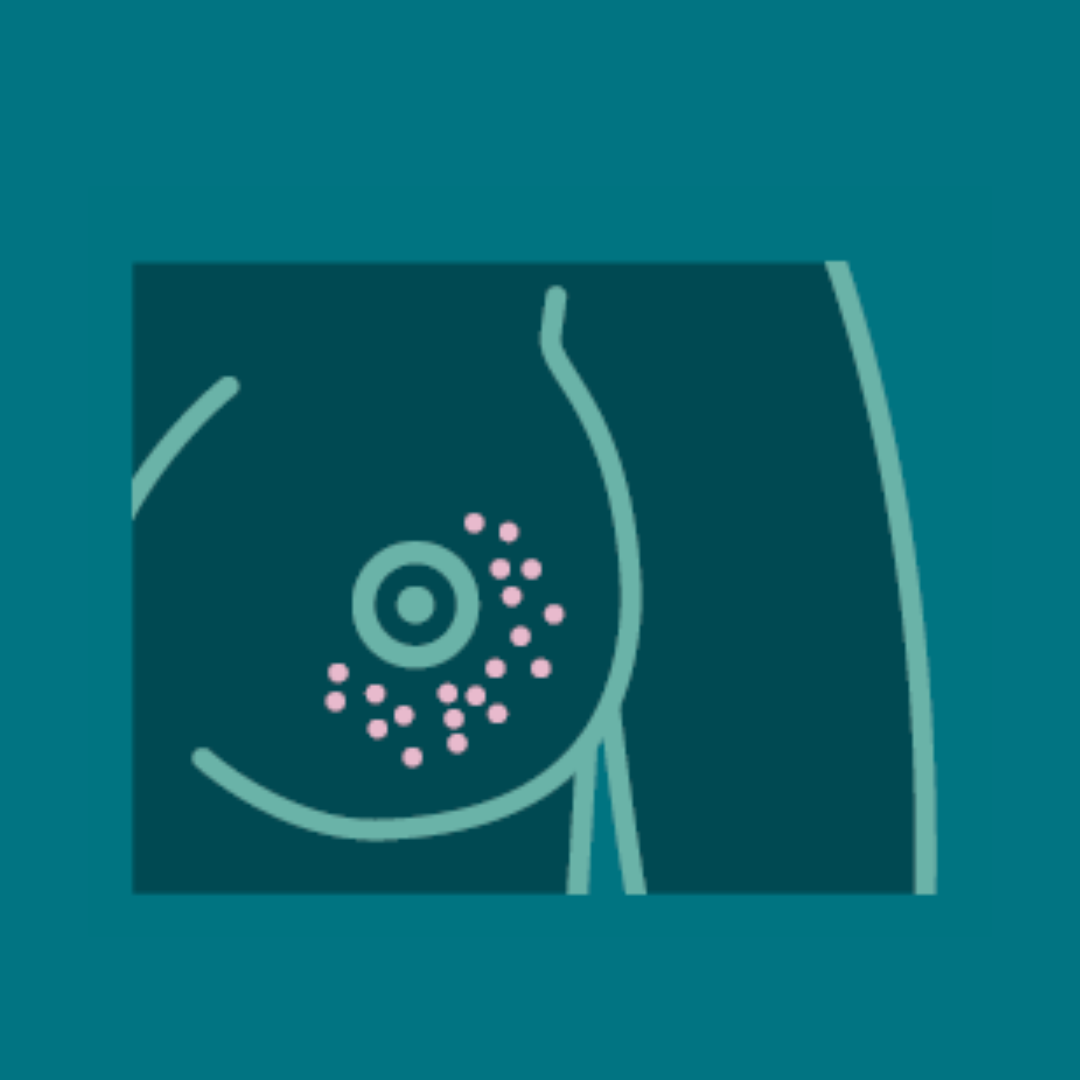
Skin irritation or
texture change

Skin irritation or texture change

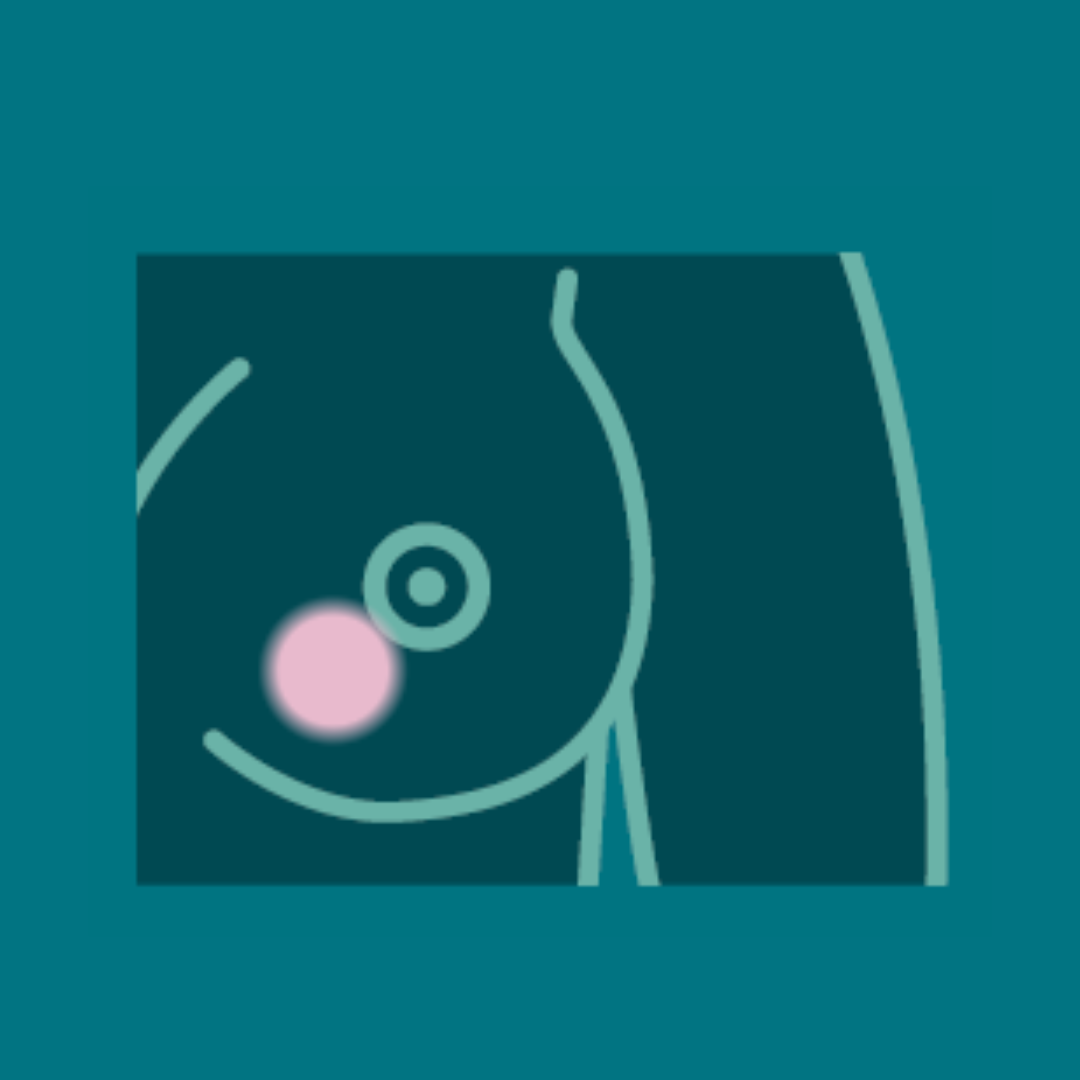
Redness &
heat

Redness & heat

Visible lump
on armpit

Visible lump on armpit

Inflammatory Breast Cancer Symptoms

Inflammatory breast cancer is a rare but aggressive type of breast cancer that often develops quickly. Unlike more common forms, it may not cause a lump, making it harder to detect without being aware of the warning signs. Symptoms can include:

  • Rapid swelling of the breast
  • Red or purple skin discolouration
  • A pitted texture, like orange peel
  • Persistent heat or pain

Secondary (Metastatic) Breast Cancer Symptoms

Secondary breast cancer (also called metastatic breast cancer) occurs when cancer cells spread from the breast to other parts of the body. Symptoms vary depending on where the cancer has travelled, but common secondary sites include the bones, liver, lungs, and brain. You may experience:

  • Bone pain or fractures that occur more easily
  • Unexplained weight loss or loss of appetite
  • Persistent shortness of breath or coughing
  • Neurological changes such as headaches, vision changes, or weakness in the limbs

These secondary breast cancer symptoms may appear months or years after the original diagnosis. If you’ve had breast cancer before and develop any new or unusual symptoms, we recommend speaking to your healthcare team promptly.

How to check for breast cancer

Breast cancer symptoms that aren’t lumps can be easy to overlook. That’s why learning the signs and symptoms, doing regular self-checks and attending routine screening appointments are essential for spotting the early symptoms of breast cancer as soon as possible.

Many people find it easier to check their breasts in the shower or bath, when the skin is warm and slippery, but there’s no right or wrong way to do it – the most important thing is to check regularly. 

Professor Cliona Kirwan, Consultant Breast Surgeon and Breast Cancer expert, demonstrates how to check for the early symptoms of breast cancer and explains why it matters. You can also follow our visual step-by-step guide to learn the exact motions to use when checking your breasts.

1Start by looking in the mirror to see what your breasts look like and so you can spot any changes

How to check your breasts

2Either in the shower or lying on your bed, lift your arm above your head, to spread your breast tissue

How to check your breasts

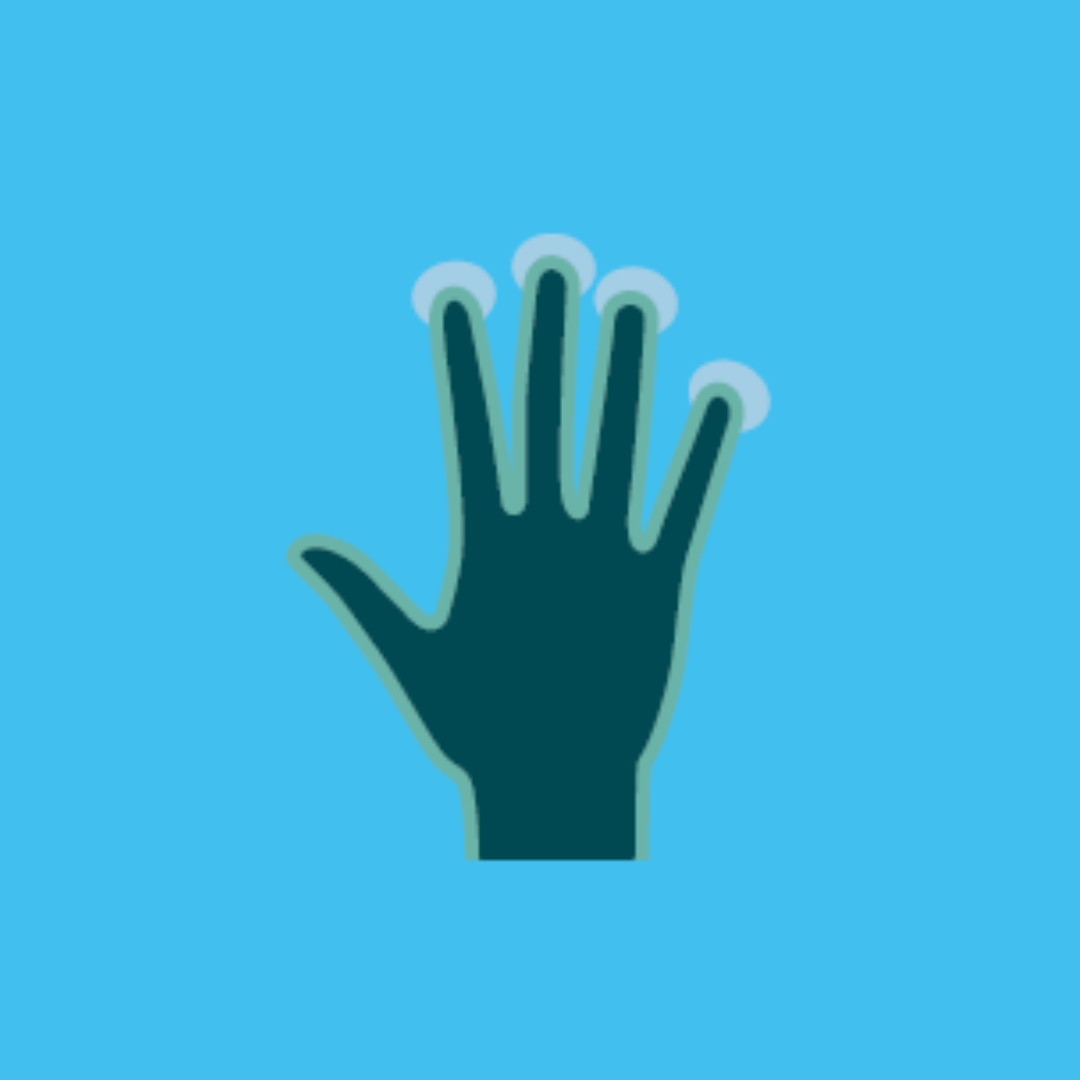
3Use the pads of your fingertips with shower gel or moisturiser

How to check your breasts

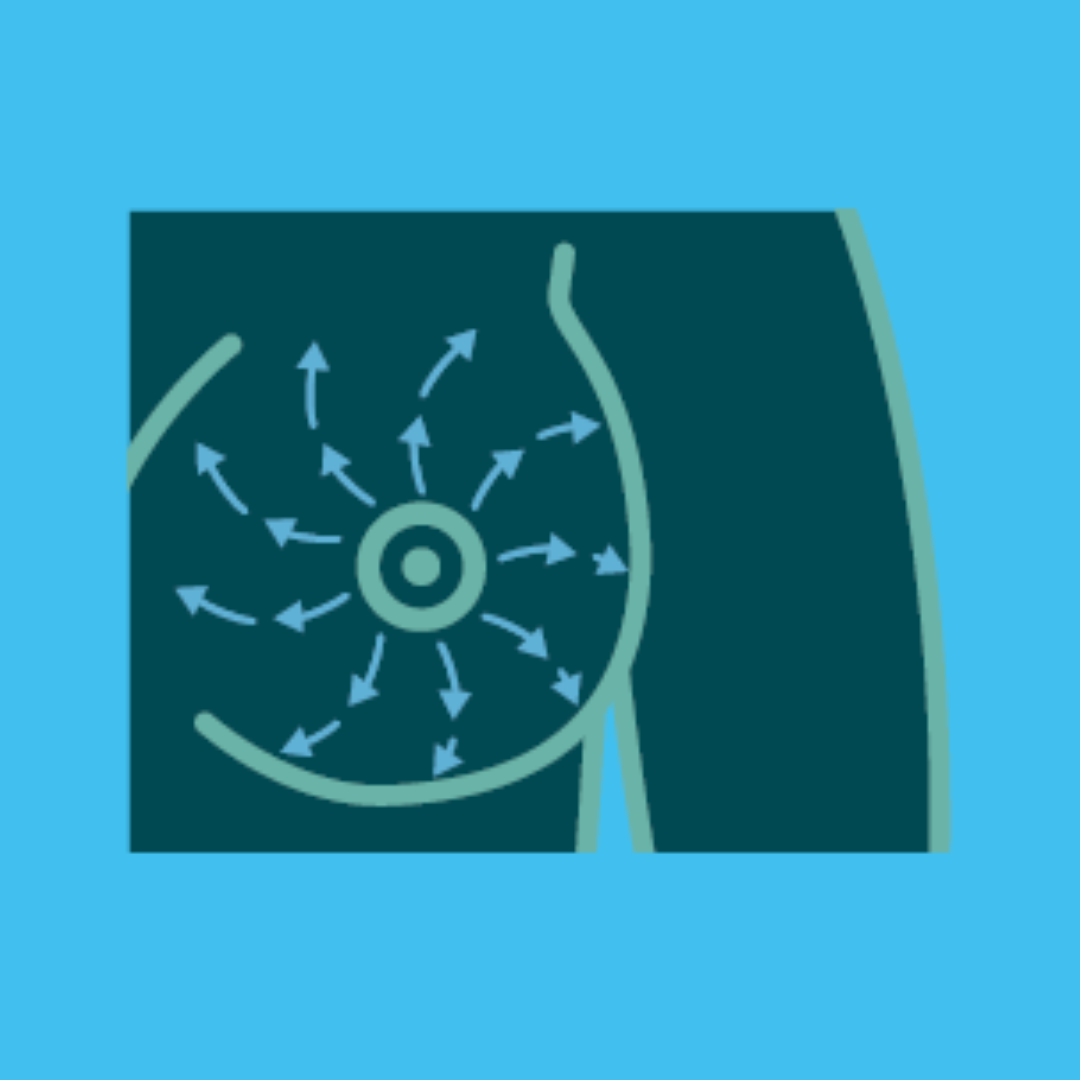
4Imagine your breast is a clock face

How to check your breasts

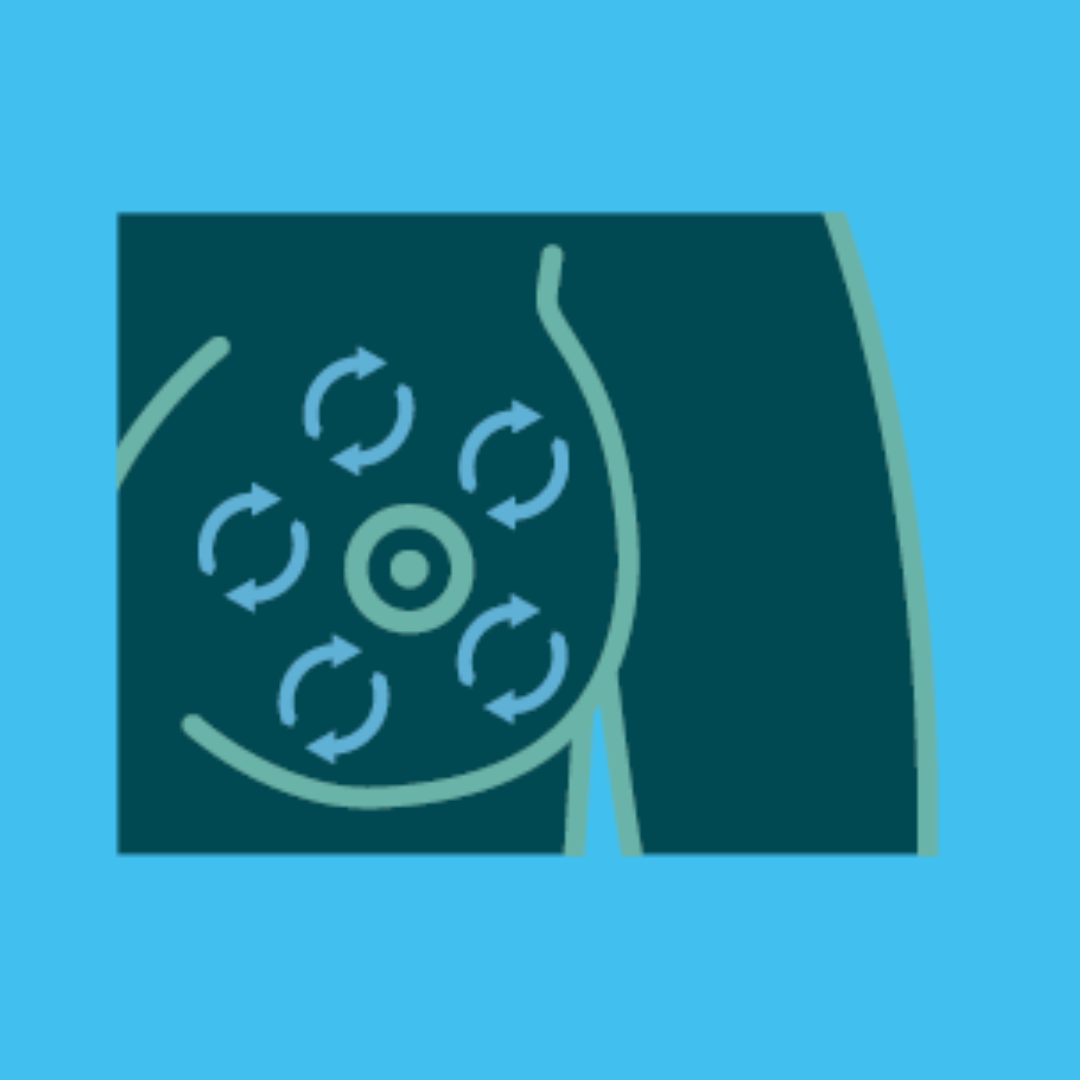
5Gently press and move around the breast tissue in small circular motions across the entire breast

How to check your breasts

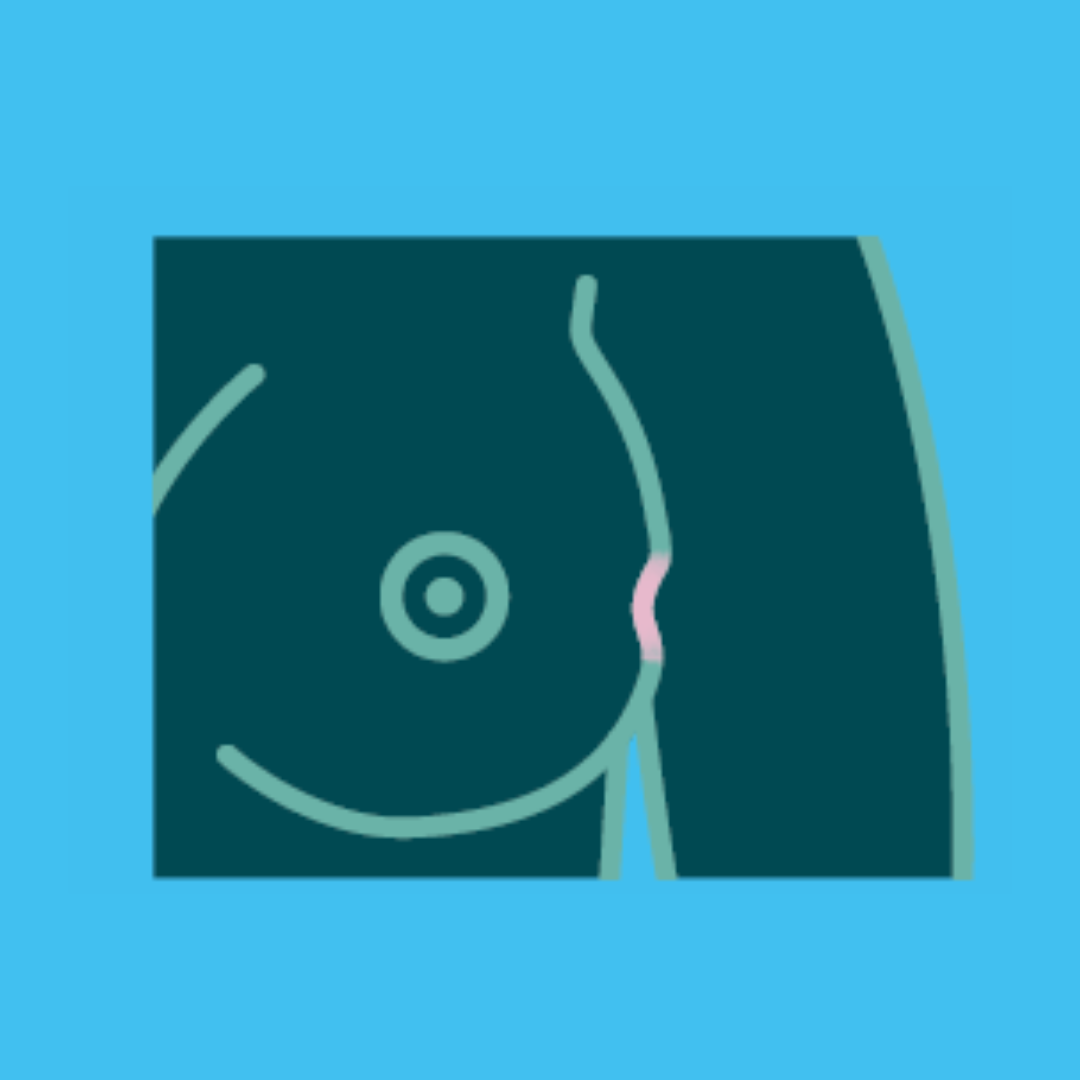
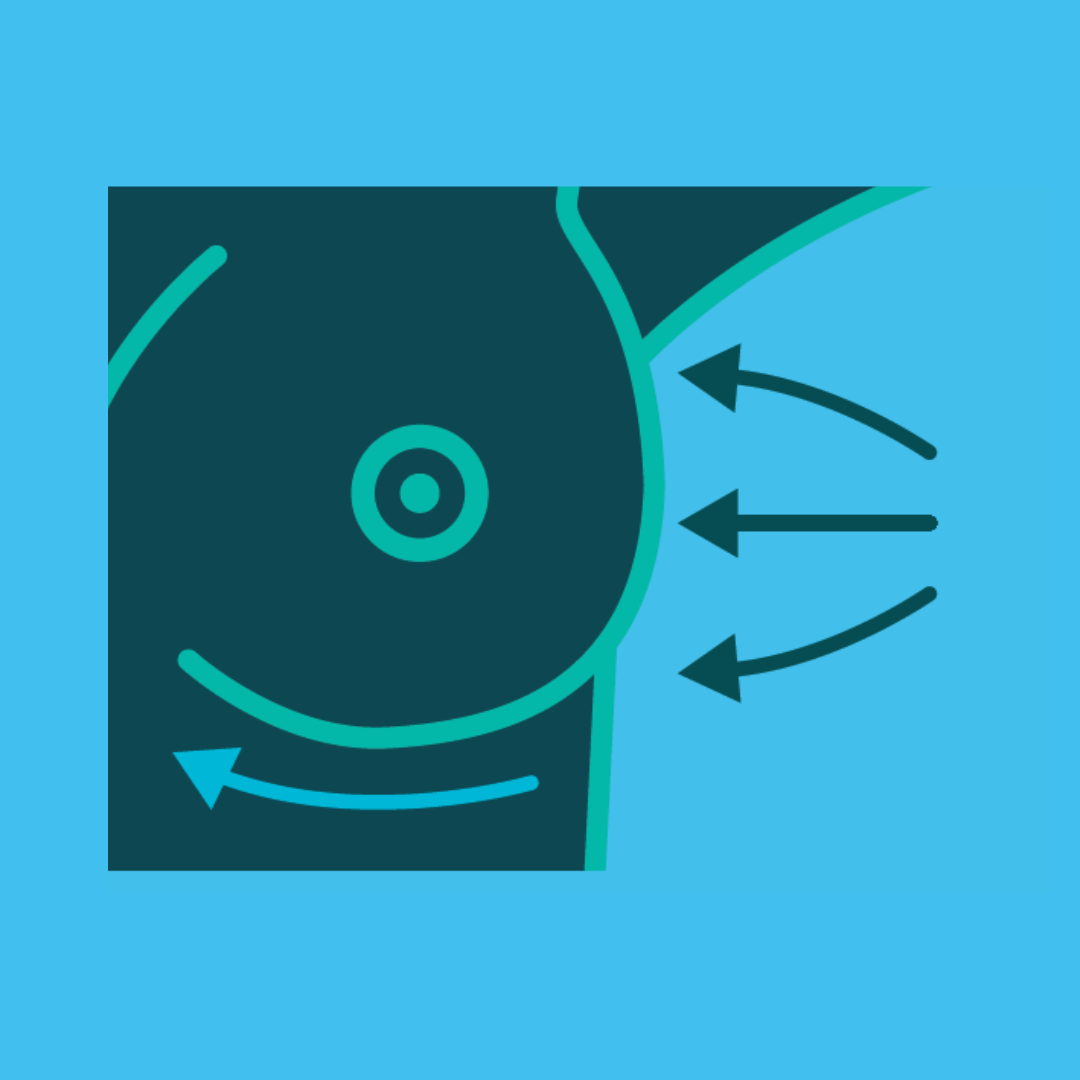
6Feel all around the breast, including under your arm, around to the side of your chest and underneath where the underwire of your bra would sit at the bottom and side of the breast.

check yourself

7Make sure you check higher up, above your breast (as the ‘tail’ of the breast reaches up here as well)

check yourself

Shall we send you a guide?

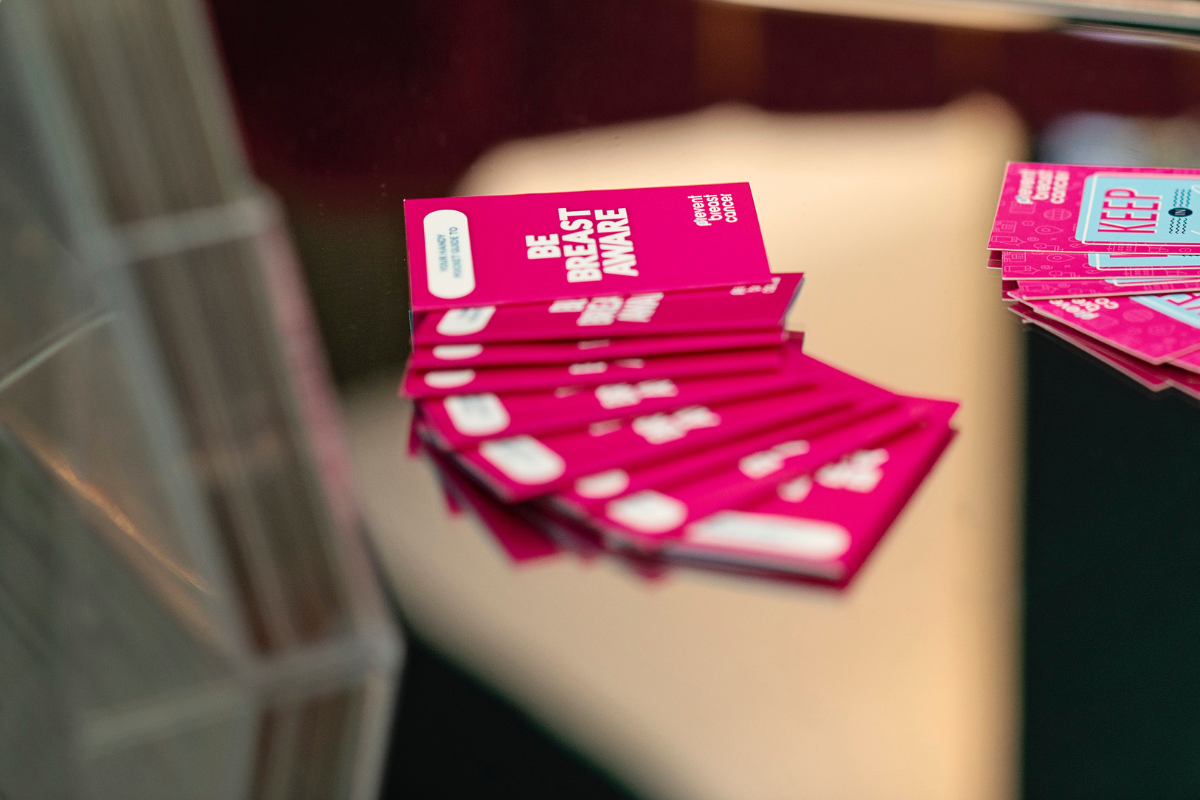
Our pocket-sized breast check guide is perfect for keeping in your purse, by your mirror, or on the fridge. We’ll be happy to send you one for free – just click the button below and let us know where to send it.

If You Notice a Change in Your Breasts

Book a GP appointment as soon as possible. You may be referred to a breast clinic within two weeks for tests. Most changes aren’t cancer, but it’s always better to be safe.

What Will Happen When I See My GP?

If you visit your GP with possible breast cancer symptoms, they’ll start by asking about your health, any changes you’ve noticed, and your family history. They’ll then examine your breasts and underarms for lumps, skin changes, or other symptoms of breast cancer.

If they think you need further checks, they’ll refer you to a specialist breast clinic – usually within two weeks – for tests such as a mammogram, ultrasound, or biopsy. Remember, most changes turn out to be harmless, but it’s always best to get them checked as soon as possible.

Frequently asked questions

Is breast pain a sign of cancer?

Breast pain is very rarely a symptom of breast cancer. Most breast pain is caused by hormonal changes or benign conditions, but it’s still important to get new or persistent pain checked by your GP.

We’re often asked about the connection between breast pain and breast cancer. Breast Surgeon James Harvey explains more in our blog.

Is nipple pain a sign of breast cancer?

Most breast cancers do not cause nipple pain. Ongoing or worsening nipple pain should be assessed by your GP, especially if it’s accompanied by other breast cancer symptoms.

What do breast cancer lumps feel like?

Breast cancer lumps often feel hard, irregular, and different from the surrounding tissue. The skin over the lump may look red, inflamed, or discoloured.

How is breast cancer treated?

Breast cancer treatment depends on the type, stage, and individual health factors. Common treatments include surgery to remove the tumour, radiotherapy, chemotherapy, hormone therapy, targeted therapy, or a combination of these. Your care team will tailor a treatment plan to your needs.

Can you have breast cancer without a lump?

Yes – early breast cancer symptoms can appear without a lump, including skin changes, nipple changes, swelling, or persistent pain.

What are the five warning signs of breast cancer?

In summary, the five warning signs to look out for are:

• A new lump or thickening in your breast or armpit
• Noticing a change in the size, shape or feel of your breast
• Visible skin changes in the breast such as puckering, dimpling, rashes or redness of the skin
• Fluid leaking from the nipple for women who aren’t pregnant or breastfeeding
• Changes in the position of the nipple – You may notice your nipple turning in and sinking into the breast

If you find a lump or notice any other changes to your breasts, it’s important to get checked by your GP as soon as possible. Book an appointment with your doctor, who may refer you to a breast clinic where you will be seen within two weeks. Many signs and symptoms of breast cancer, including breast lumps, are non-cancerous and caused by normal breast changes. But it remains vital that you pay attention to your body and seek help if you notice anything that is abnormal for you.

When to check your breasts

We advise you check your breasts regularly, once a month. Breasts change at different times of the month, the ideal time to check is just after your period. If you don’t menstruate, checking once a month at any time is fine. Setting a calendar reminder can be useful to help incorporate it into your routine. We suggest the 1st of the month – feel them on the first!

Please note, if you’re viewing on your desktop and click the below button, a calendar invite file called ‘checkyourboobs’ will appear in your downloads folder. You just need to open it in your preferred calendar application, and set a monthly reminder.

About Prevent Breast Cancer

Prevent Breast Cancer is the only UK charity entirely dedicated to the prediction and prevention of breast cancer – we’re committed to freeing the world from the disease altogether. Unlike many cancer charities, we’re focused on preventing, rather than curing. Promoting early diagnosis, screening and lifestyle changes, we believe we can stop the problem before it starts. And being situated at the only breast cancer prevention centre in the UK, we’re right at the front-line in the fight against the disease. Join us today and help us create a future free from breast cancer. If you have any questions or concerns, email us today.

Sign up today

Prevent Breast Cancer UK

Receive regular updates. You can change your communication preferences at any time.
PBC Favicon

on September 10, 2025.

on September 10, 2025.